The Familiar Face in the Waiting Room: Privacy and Counselling in a Close-Knit Town
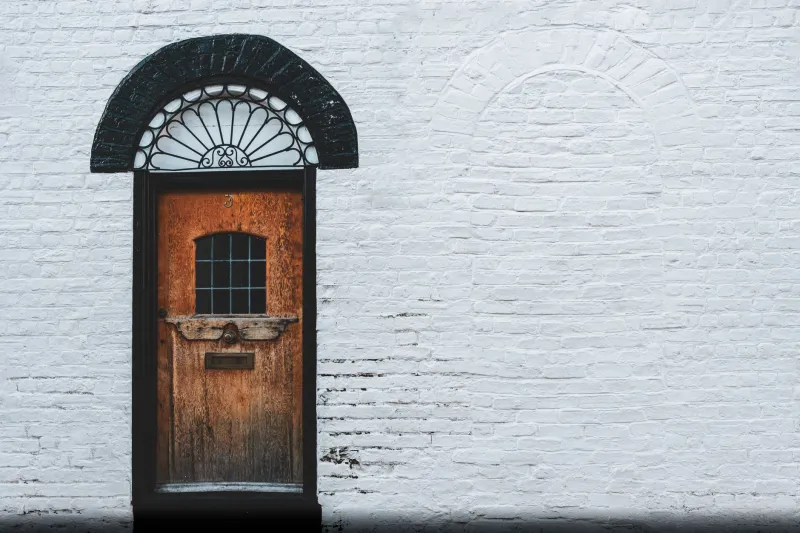
Beginning counselling can feel like a private step taken in a public place. In a town like Blackburn, where neighbours, colleagues and familiar faces overlap, the thought of being recognised outside a therapist’s door can be enough to delay a first appointment. The concern is understandable. It is not vanity, and it is not a sign that someone is overly sensitive. It is the natural caution of living somewhere that feels known.
Yet privacy and secrecy are not the same thing. The aim is not to hide counselling as though it were shameful. The aim is to create enough personal space to speak honestly, without the added strain of wondering who might have seen the car, noticed the building or recognised a face in the waiting room. That distinction is worth holding onto from the outset.
When the Town Feels Smaller Than It Is
Blackburn is not a village, but many people move through it with a village-like awareness. A person may know the receptionist at the GP surgery, the parent at the school gate, the colleague from a previous job, or the therapist’s neighbour. In that atmosphere, the imagination can work quickly. A brief glance can become a story; a parked car can become a question.
It is important to separate possibility from probability. Someone may recognise you, but recognition does not automatically mean disclosure, gossip or judgement. Most people are absorbed in their own day. Even so, the fear deserves respect. Anxiety rarely responds to being told that it is being irrational. It responds better to practical reassurance and a clear plan.
What Confidentiality Actually Covers
A qualified counsellor works within a professional ethical framework and is registered with a recognised body. Confidentiality means that what you discuss in sessions is not shared with family, friends or employers. Client records are kept securely, and information is not passed on casually. There are limited legal and safeguarding exceptions, usually concerning serious risk of harm to yourself or others, and a good therapist will explain these clearly before the work begins.
Confidentiality also covers the smaller, everyday details: not greeting a client first in public, not confirming to an enquirer whether someone is attending, and not discussing client material outside appropriate supervision. Supervision itself is a confidential professional space, not a social conversation.
It is reasonable to ask about these boundaries directly. A counsellor should welcome the question rather than treat it as an accusation. You are not being difficult; you are trying to feel safe enough to do the work.
The Practical Geography of Privacy
Privacy is often protected by ordinary arrangements. Ask whether the building has a separate entrance or a waiting area that is not overlooked. Ask how appointments are spaced, whether clients are likely to meet one another, and what happens if someone arrives early. Some services have a simple text-on-arrival system; others offer online or telephone sessions, which can remove the question of a public doorway altogether.
For some people, choosing a therapist slightly outside their immediate neighbourhood feels more comfortable. That is a valid preference, not an overreaction. For others, the practical value of a local service outweighs the fear of recognition. Neither choice is morally superior. The right arrangement is the one that allows you to speak freely.
At KWC Counselling Blackburn, this kind of practical question belongs inside the initial conversation. A first enquiry can include as much or as little detail as you wish. You do not have to explain your whole history to ask whether the entrance is discreet or whether sessions can be arranged at a quieter time.
The Fear of Being Talked About
In close-knit communities, gossip can carry real social weight. People may worry about being discussed at work, at church, at the school gate or in the family. Sometimes that fear is rooted in experience; sometimes it is inherited from watching how others have been treated. Either way, it can make counselling feel riskier than it needs to be.
One useful question is this: what would it mean if someone did see you? It might be awkward. It might prompt a question you would rather not answer. But it would not make you weak, unstable or unworthy. Attending to your mental health is not evidence of failure. It is evidence of responsibility.
A counsellor can also help you prepare a simple response if you meet a familiar face nearby. You do not owe anyone an explanation. A brief greeting and a neutral sentence are usually enough. Rehearsing that possibility in advance can reduce its power.
Before the First Session: Questions Worth Asking
It is helpful to raise privacy concerns before you begin. You might ask:
- Who is likely to be in the building at the time of my appointment?
- Is there a separate entrance or waiting area?
- How do you handle contact between clients outside sessions?
- What would you say if we met socially?
- What are the limits of confidentiality, and how are records stored?
- Are online or telephone sessions available if I prefer not to attend in person?
These are not suspicious questions. They are the reasonable questions of someone trying to enter therapy with care.
Privacy Without Hiding
The goal is not to make counselling invisible. It is to make it manageable. You are allowed to be a private person. You are allowed to choose what you share and with whom. You are also allowed to seek support without turning it into a public statement.
In a town where everyone seems to know everyone, privacy is not an impossible ideal. It is a practical matter of boundaries, arrangements and honest conversation. If the fear of being seen has been holding you back, it may be worth saying so at the first opportunity. A good therapist will not dismiss that fear. They will help you find a way through the door that feels safe enough for you.