The Light We Lose: Making Sense of Seasonal Affective Disorder in Blackburn
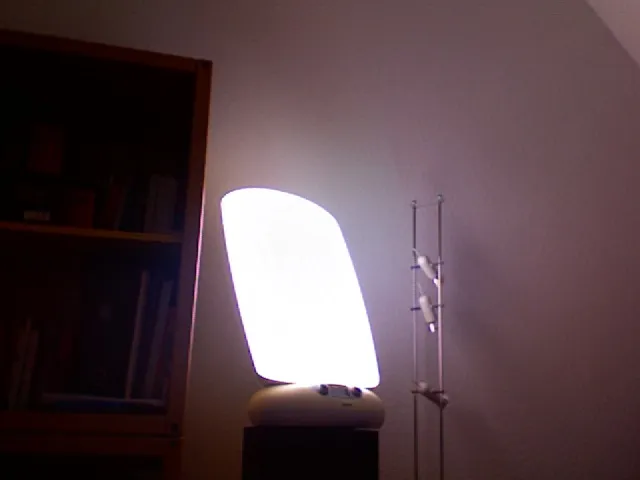
Photo: Kalfatermann, CC BY 3.0, via Wikimedia Commons
The clocks have gone back, and the afternoons now close in before many people have left work. For some across Lancashire, the change is a minor inconvenience; for others, it marks the beginning of a predictable dip in mood and energy. Seasonal affective disorder, often called SAD, is a recognised pattern of depression that follows the seasons, most commonly in winter. It is not a character flaw, a lack of resilience or something to be dismissed as the winter blues.
What seasonal affective disorder can feel like
SAD is not simply disliking dark evenings. The symptoms are persistent enough to affect daily life and may include low mood, loss of interest in usual activities, sleep changes, fatigue and difficulty concentrating. Some people oversleep and still feel unrefreshed; others notice cravings for carbohydrates or changes in appetite. Irritability and withdrawal from social contact are also common.
Some people experience a milder form of seasonal mood change, sometimes described as subthreshold SAD. Whether symptoms are mild or severe, they deserve attention rather than embarrassment. Recognising the pattern is often the first step towards managing it.
Why the change in light matters
Light is a powerful cue for the body clock, which regulates sleep, energy and mood. Reduced daylight can disrupt circadian rhythms, and research suggests that changes in melatonin and serotonin may play a part. The exact causes are not fully understood, but the seasonal pattern is well recognised.
In the UK, the shortest days fall in December, but symptoms often begin in autumn as daylight hours shrink. The clocks going back is a useful marker, yet the biological shift is gradual. For people in Blackburn and the surrounding areas, grey skies and early dusk can make the change feel more pronounced.
Practical steps that may help
Light therapy
Some people use a light box designed for seasonal affective disorder, typically in the morning. Devices vary, and a GP or pharmacist can advise on appropriate use, especially for people with eye conditions or those taking medication that increases sensitivity to light. Light therapy is not a substitute for assessment when symptoms are significant.
Keep a steady routine
Regular sleep and wake times, meals and gentle activity can support the body clock. A predictable routine is not about rigidity; it is about giving the day a stable framework when energy is low. Where possible, spend time outdoors in daylight, even on overcast days.
Move gently and get outside
Walking in daylight can support mood, and it does not need to be strenuous. A short lunchtime walk, a canal towpath stroll or a circuit of a local park may be enough to break up the day. The aim is consistency rather than intensity.
Stay connected
Withdrawal can deepen low mood. Talking to a trusted friend, family member or colleague can help, even if the conversation is brief. Social contact does not have to be energetic or elaborate; a phone call or a walk with someone else can be meaningful.
Be kind about the season
Self-criticism tends to make low mood heavier. It is reasonable to adjust expectations during darker months, to rest when needed and to ask for help. Seasonal affective disorder is a health issue, not a personal failing.
Talking therapies and counselling in Blackburn
Cognitive behavioural therapy and other talking therapies have an evidence base for depression, including seasonal patterns. NHS talking therapies can be accessed through a GP, and private counselling is another option. Counselling can help people explore patterns of thought, develop coping strategies and address feelings of isolation that often accompany seasonal low mood.
At KWC Counselling Blackburn, counselling offers a confidential and compassionate space to talk through what is happening. It can be helpful to seek support before things become severe. There is no requirement to wait until life feels unmanageable.
Recognising when to seek support
If low mood persists for two weeks or more, or if it affects sleep, appetite, work or relationships, speaking to a GP is a sensible step. Urgent support should be sought if there are thoughts of self-harm or suicide. In the UK, NHS 111 can direct people to appropriate services, and Samaritans can be contacted on 116 123.
Seeking help is a practical decision, not a sign of weakness. Many people find that early support makes the darker months more manageable.
A stigma-free conversation
Seasonal affective disorder is common and treatable. In Blackburn, support is available through local health services, counselling organisations and community networks. The most compassionate response is to take seasonal low mood seriously, to speak about it openly and to seek the right help at the right time.