The Quiet Room and the Open Question: Men’s Mental Health in Blackburn
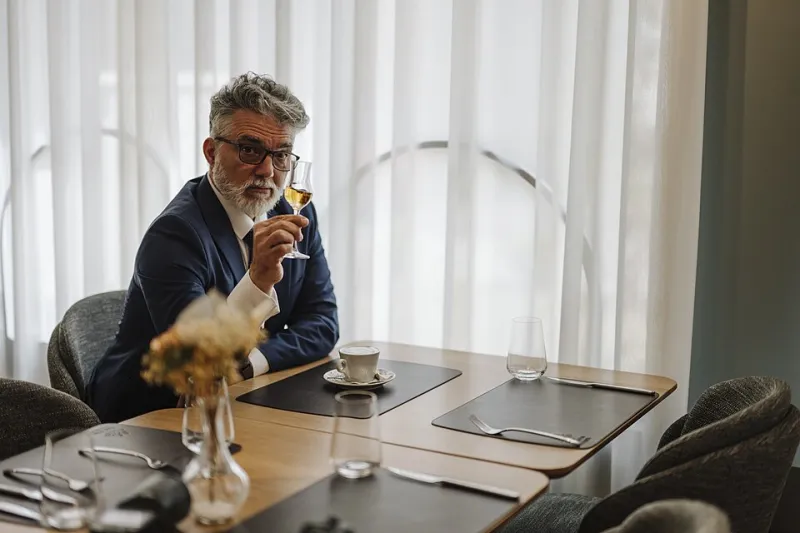
Photo: Shixart1985, CC BY 2.0, via Wikimedia Commons
Each November, Movember brings moustaches, fundraising and, importantly, conversations about men’s health into public view. The campaign is a useful reminder that men’s mental health deserves attention all year round. In Blackburn, as elsewhere, more men are beginning to talk about anxiety, low mood, stress and loss. Yet many still hesitate when it comes to asking for help.
That hesitation is not a sign of weakness. It is often a sign that someone has learned to cope alone, to keep going, or to put the needs of others first. The quiet room of counselling can feel unfamiliar to anyone who has been told, directly or indirectly, that they should manage without support.
Why Asking for Help Can Feel Like a Step Too Far
For some men, the barrier is not a lack of information. It is the worry about what asking for help might say about them. Work, family life and long-standing ideas about self-reliance can make emotional struggle feel like a private failure rather than a human experience.
Men may also describe distress in different terms. Rather than saying they feel depressed, they might say they are irritable, flat, sleeping badly, drinking more, or simply “not feeling myself”. They may withdraw from friends, lose interest in hobbies, or throw themselves into work as a way of managing. These changes can be easy to miss, especially when someone appears to be functioning well on the surface.
In a town with strong traditions of practical help and looking out for neighbours, asking for emotional help can still feel like a step too far. Many men fear being seen as a burden, or worry that once they start talking they will not be able to stop. Others have had difficult experiences of services in the past and are understandably cautious.
What Counselling Actually Involves
Counselling is not a test, a lecture or a personality assessment. It is a confidential conversation with a trained professional, held at a regular time and pace. The counsellor is not there to tell you what to do or to judge the choices you have made. The work is to help you make sense of what is happening and to find a way forward that feels honest and workable.
A first session is usually about practical things: what has brought you to counselling, what you would like to be different, and whether the counsellor is the right fit for you. You do not need to arrive with a polished explanation. It is perfectly acceptable to say, “I do not know where to start.” A good counsellor will help you find the beginning.
Confidentiality is central, although there are limits. Counsellors will explain these clearly, usually around immediate risk of serious harm to you or someone else, or safeguarding concerns. Those limits exist to keep people safe, not to catch anyone out. Sessions commonly last around fifty minutes and take place weekly, though the arrangement can vary. You can ask questions before you begin, and you can stop if it does not feel right.
For men who feel sceptical, it may help to think of counselling as a structured conversation rather than a mysterious process. You do not have to lie on a couch. You do not have to talk about your childhood in the first ten minutes. You can be uncertain, guarded or frank. The quiet room is not a place where you have to perform.
Conversation Starters for Friends, Families and Colleagues
Sometimes the most useful thing is not a perfect sentence but a genuine opening. Phrases that tend to help include:
- “I have noticed you have seemed a bit withdrawn lately. I am not going to push, but I am here.”
- “Do you want to talk about it, or would you rather have some company and not talk?”
- “What would make this week a little easier?”
- “Would it help if I looked up some options with you?”
It is worth avoiding responses such as “man up”, “others have it worse” or “just try to be positive”. These are usually offered with good intentions, but they can close a conversation down. Listening without immediately trying to fix things is often more helpful. Ask twice if you are worried. A simple follow-up such as “You said you were fine, but I am not convinced. I am still here” can matter more than a grand gesture.
Some men find it easier to talk side by side rather than face to face: on a walk, in a car, or while doing a practical task. The setting matters less than the sincerity of the invitation.
Where to Turn in Blackburn
A sensible first step can be a conversation with your GP, who can discuss local NHS Talking Therapies and rule out physical causes for changes in mood or sleep. Local Mind services and other voluntary organisations in Blackburn with Darwen may offer information, groups or low-cost counselling. National services such as Samaritans, CALM and Shout provide immediate listening support by phone or text. At KWC Counselling Blackburn, we offer confidential counselling for adults who want a calm, non-judgemental space to talk.
If you or someone else is in immediate danger, call 999 or go to A&E. For urgent mental health support in England, call NHS 111 and select the mental health option. Samaritans can be reached day or night on 116 123, and Shout offers text support on 85258.
A Note for the Sceptical
You can be sceptical and still curious. Counselling does not require you to become a different person or to adopt a new vocabulary. It may simply help you understand patterns, make a decision, or carry a difficult period with more support. You are allowed to ask the counsellor how they work, what training they have, and whether you can meet once before deciding.
The open question is often the hardest part: “Could talking help?” It does not have to be answered alone. In Blackburn, the quiet room is there for men who are ready to stop carrying everything in silence.