When the Weekend Turns: Naming the Dread That Arrives on Sunday Evening

Photo: Bijay Chaurasia, CC BY-SA 4.0, via Wikimedia Commons
There is a particular hour on a Sunday in early November when the afternoon simply gives up. The light over the rooftops drains away before five, the lamps come on in the front windows, and somewhere between the last of the weekend and the first of the working week, a familiar sensation settles in the chest. Not panic, exactly. More a low hum of unease. A sense that something is coming and cannot be stopped.
Many people in Blackburn describe this as 'the Sunday knot'. Some feel it as a tightness across the shoulders. Others notice a short temper with the people they love most, or a restless night that arrives just when rest is most needed. A few describe a quiet sense of doom so vague they struggle to put it into words at all.
If any of that sounds familiar, it is worth saying plainly: this is not weakness, and it is not unusual. It has a name, and naming it is often the first small relief.
What anticipatory anxiety actually is
Anxiety is not only a reaction to danger. Very often it is a reaction to the idea of danger — a threat that lives in the future rather than the present. Anticipatory anxiety is the body's early warning system running ahead of schedule, preparing for something that has not happened and may never happen.
That is why it feels so physical. The body does not distinguish well between a genuine threat and an imagined one. A difficult meeting on Tuesday morning can produce the same raised heart rate, shallow breathing and churning stomach as a genuine emergency, simply because the nervous system has been asked to brace for impact.
The mind, meanwhile, becomes a rehearsal room. You may find yourself scripting conversations, imagining mistakes, running through worst-case versions of the week ahead on a loop. It can feel like useful preparation. It rarely is.
Why November makes it sharper
The Sunday knot can visit at any time of year, but the darker months give it more to work with.
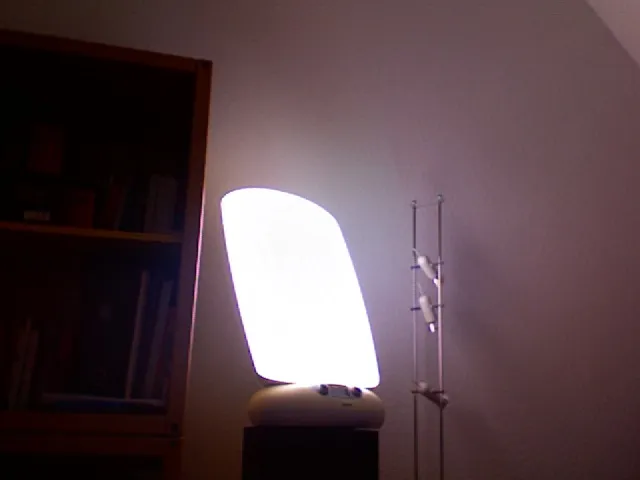
Less daylight. Reduced exposure to natural light can disrupt sleep and mood, and many people find their coping reserves thinner from late October onwards. In a Lancashire November, it is easy to leave the house in gloom and return in it too.
Fewer of the things that help. The evening walk after tea, the Saturday in Witton Park, the standing chat with a neighbour over the wall — all of these become less appealing when it is cold and dark. The small, ordinary habits that keep people steady tend to be the first to go.
The end of the year approaching. For many, November brings a mental stocktake: what has been achieved, what has not, what the coming weeks will cost in money and energy. Add the pressure of Christmas planning and it is little wonder the nervous system feels overloaded.
A longer stretch of work ahead. From November, the next bank holiday can feel very far away. The week can look less like five days and more like a wall.
Grounding: what to do in the moment
Grounding techniques are not a cure, and they are not meant to be. They are a way of interrupting the spiral long enough for the body to register that the threat is not, in fact, happening right now.
- Lengthen the exhale. Breathe in for a count of four and out for a count of six or seven. Doing this for a minute or two can help settle a racing heart.
- Use your senses deliberately. Name five things you can see, four you can hear, three you can touch. It sounds almost too simple. It works more often than people expect.
- Move your body out of the room. A short walk around the block, even in the dark, even in the rain, can be remarkably effective at discharging nervous energy.
- Cool your hands or face. Cold water on the wrists or a splash on the face can help bring the system down a gear.
- Write the worry down. Getting it out of your head and onto paper often shrinks it. A worry that is written down is a worry that can be looked at.
Planning, not rehearsing
There is a difference between planning and ruminating, though they can feel similar from the inside. Planning ends with a decision. Rumination circles.
One approach that many people find helpful is to set aside a fixed ten minutes on a Sunday evening — not the whole night — for a gentle review. What is genuinely on this week? What are the three things that matter most, rather than the fifteen that feel urgent? What small preparation would make Monday morning easier: clothes laid out, lunch decided, a route planned?
Then close the notebook. The point is to contain the planning, not to let it seep into every remaining hour of the weekend.
It also helps, where possible, to leave something on the calendar to look forward to in the week ahead. Something modest and achievable. A coffee with a friend. A walk. Half an hour with a book.
When it is more than a Sunday niggle
A difficult Sunday evening now and then is part of ordinary life. It becomes something to take more seriously when:
- the feeling begins earlier in the weekend, or does not lift once the week is underway;
- sleep is regularly disturbed, or the dread is waking you in the early hours;
- you find yourself avoiding things — calling in sick, cancelling plans, withdrawing;
- physical symptoms such as headaches, stomach problems or a persistently tight chest become frequent;
- the anxiety is affecting your work, your relationships, or your ability to enjoy anything at all.
If any of that is true for you, speaking to your GP is a sensible first step. NHS Talking Therapies services can be accessed by self-referral in most areas, and waiting lists vary.
Counselling offers something particular for anticipatory anxiety: a calm, confidential space in which to look at what the dread is actually about. Sometimes it is the week ahead. Sometimes it is something older — a pattern of bracing for disappointment, or a habit of believing that rest must be earned. A counsellor will not tell you to simply relax. They will help you understand the shape of the worry, and gradually build a different relationship with it.
The Sunday knot is not a character flaw. It is information. And information, spoken aloud to the right person, tends to become more manageable.